


By opting for an ecotourism experience/holiday over a conventional tourism package you will be making a conscious decision to reduce your impact. This can be personally rewarding and travelers who choose ecotourism are responsible consumers.
Ecotourists are seeking to minimize the carbon footprint of their travel, traveling with climate in mind by planning wisely and choosing consciously. They also seek to experience authentic and educational tours that give them the opportunity to give back to the communities they visit. If you are a conscious traveler who shares these values then become an ecotourist today! By booking an ecotour or staying in a ecolodge you will be surrounded by likeminded people, have access to well managed and pristine environments and experience a truly unique experience/holiday.
Thousands of migratory ducks from Siberia can be seen in the swamp regions between Pong Dam and Shah Nagar barrage and other shallow regions of the lake. The best time to see the vibrant congregation of the visiting birds is between November and March.
Alpine forests and snow covered mountains form picturesque backdrops for the sanctuary. The mesmerizing panoramic view of the Dhauladhar Ranges and the Kangra Valley makes it a good place to click photographs.
The two km long dam on the Beas River is the highest dam in the country. The dam was built in 1975 and has become one of the most popular tourist attractions in Kangra district. The sanctuary grew around the Maharana Pratap Sagar and was declared a wildlife sanctuary in 1983.
The region is a paradise for fauna and flora. The sanctuary is home to barking deer, wild boars, leopards, cheetals, black buck and 27 varieties of fishes can be spotted in the lake.
In winters, Maharana Pratap Sagar popularly known as Pong dam lake in Kangra district of Himachal Pradesh becomes the bird watcher’s delight as migratory birds flock to the dam site.
Pong Dam Lake was created in 1975 by building the highest earth-filled dam in India on the Beas river in the wetland zone of Shivalik hills in Kangra district.
Migratory birds starts flocking area in the last week of October with extreme cold condition prevailing in Siberia and Central Asian countries. Apart from Pong dam, huge number of migratory birds arrive at Gharan wetland along India-Pakistan border in Jammu & Kashmir, besides in the wetlands of Punjab.
Last winter, more than 1.20 lakh migratory birds arrived in Pong dam. Officials claimed that 415 species of migratory birds had landed at different areas of the Pong Dam over the past decade. Last year for the first time, “salcaded duck” arrived in this wetland.
Pong dam lake was declared a bird sanctuary in 1983. A 5km belt from the periphery of the lake has been declared as buffer zone for management of the bird sanctuary. Primary species reported are the barheaded geese (goose), anser indicus, northern lapwing (vanellus vanellus), ruddy shelduck (tadorna ferruginea), northern pintail (anas acuta), common teal (anas crecca), spot-billed duck (anas poecilorhyncha), eurasian coot fulica atra, red-necked grebe (podiceps griseigena), black-headed gulls, plovers, black stork, terns, water fowl and egrets.
At its maximum level, the Pong lake stretches cross 314 sq. km., and its northern tip touches the supporting walls of the forest rest house; an alarming change in water levels that nonetheless makes the region a strategic birding site. Over the last three decades, the reports of over a hundred thousand avian guests at this wetland, belonging to over 85 species including Bar-headed Geese, Common Pochards, Common Coots, Northern Pintails, Northern Shovellers, Common Teals, cormorants, shelducks, gulls and many, many more have drawn birders to the shores of Pong lake.
As the lake was harnessed for irrigation and electricity generation, five main types of avian habitats appeared in the draw-down area: mudflats and mudspits long the receding shore-line (for lapwings, egrets, Grey Herons, Purple Herons); open deep water (mainly for grebes and cormorants); dry sand banks with little or no vegetation (for stone curlews and pratincoles); waterside vegetation and swamps below the out-fall from the dam (warblers, babblers, munias, kingfishers, moorhens, herons and predators); and shallow water at the reservoir margin for dabbling ducks such as pintails, shovellers, gadwalls and wigeons). These were non-existent prior to the creation of Pong lake, which increased the concentration of organic matter, worms, insects, and molluscs in the mudflats, shallow and open water. I found it interesting to compare changes in bird diversity and abundance before and after the creation of the lake, which, in 1926, was presented as the Punjab Plain Zone in the Bird List of Kangra district by famous English ornithologist, Hugh Whistler. Whistler reported some 39 bird species from the area in the list, which was published in the journal Ibis in 1926. The Pong lake supports several species of waterfowl. In his book Birds of Kangra, Jan Van Besten suggests that over 400 species can be found in and around Pong. 1,44,000 migratory birds were recorded at Pong in 2010 at the annual bird count.
The Pong wetland is one of the most acclaimed birding sites in the country today.The receding shoreline of the lake near the villages of Jawali, Dhameta, Dada-Siba, Nagrota-Surian, Haripur, Guglara, Harsar, and Nandpur provide ample opportunities to a birdwatcher. The sanctuary administration has taken the initiative to invite not only birding groups from Chandigarh, Delhi, Mumbai and other cities to the region, but encourages school children o visit as well.
Some of the most cherished sightings at the lake include that of a Red-necked Grebe in deep waters, recorded for the first time in India as published in the Journal of the Bombay Natural History Society (JBNHS), along with the experience of a boatman taking to the exact location where one would find a Ruddy Shelduck; an Osprey catching fish; small birds and coots becoming alarmed as a Marsh Harrier circled over the reeds; and the presence of about 12 to 1,500 mallards at the same place on the lake’s margin over several years
OUR ‘ECO’ BLOG
While we are making our luxurious ‘Eco Village’, you can always read and discover here more about this heavenly place.
Protected: Ultraman India 2022 at The Pong Eco Village, Himachal Pradesh
This content is password-protected. To view it, please enter the password below. Password:

youtuber “Beerbiceps” aka Ranveer Allahabadia
The Pong eco village is slowly and steadily becoming the hotspot for celebrities and social media influencers. Recently, one of the biggest names in the social media and a [...]
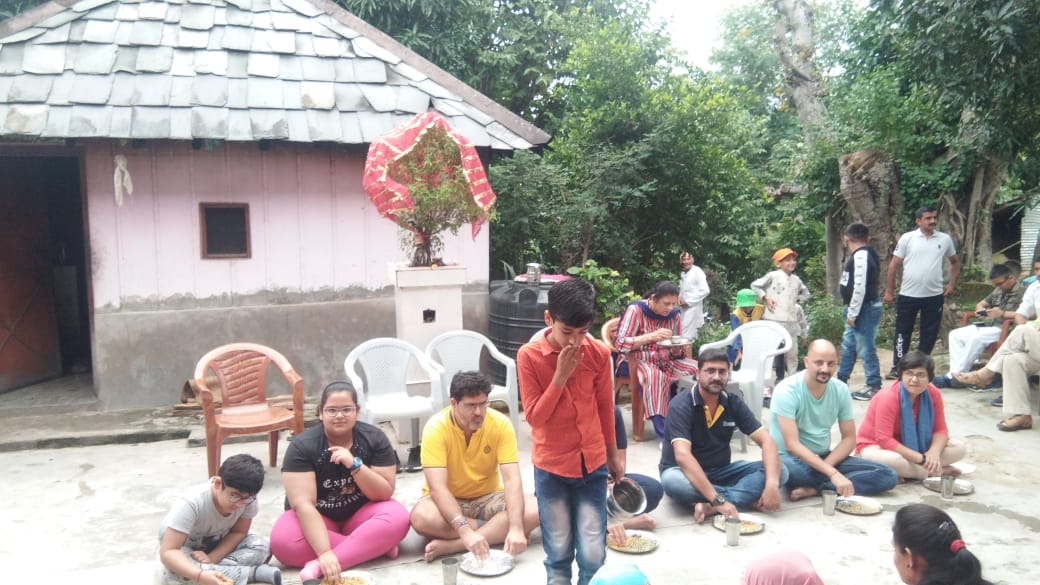
Himachali Dham ( Local Cuisine )
Himachali Dham ( Local Cuisine ) Dham is a traditional food festival celebrated in District Kangra. Himachali food varies from region to region. The cuisine of Himachal Pradesh is [...]
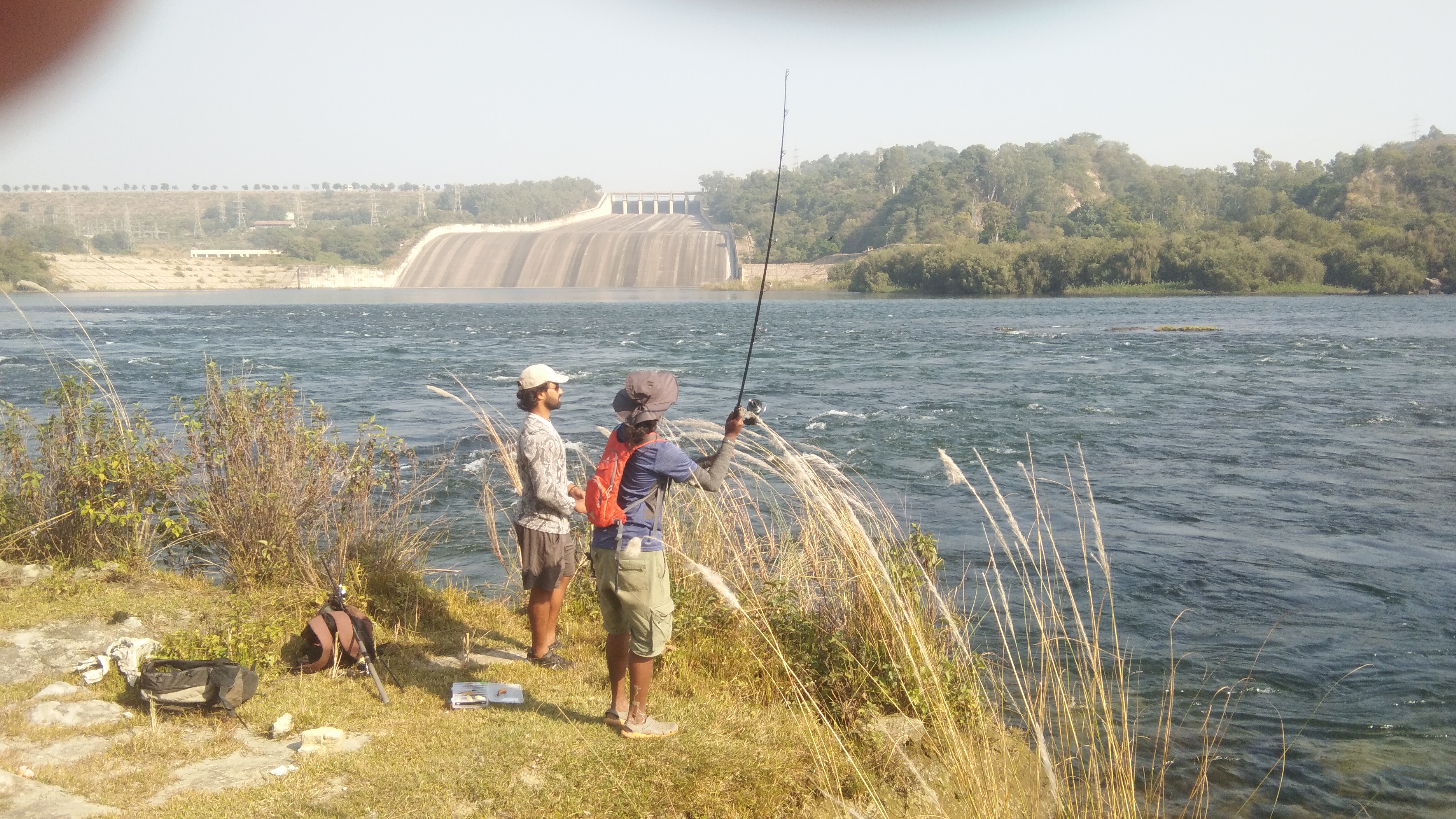
Angling and Fishing in Himachal
Angling and Fishing in Himachal Nothing delights an angler more than catching hold of a big mahseer.The excitement and the adrenaline rush that the whole process gives him [...]

Next level tourism- “Responsible Tourism”
Travelling is one of the most beautiful experiences any human gets in his lifetime. One gets an adrenaline rush when he visits a completely unknown destination.“Responsible Tourism” not [...]